Reach me directly here: +91 9187213721

US State Medical License — Fingerprinting for an Indian MBBS Graduate
Situation
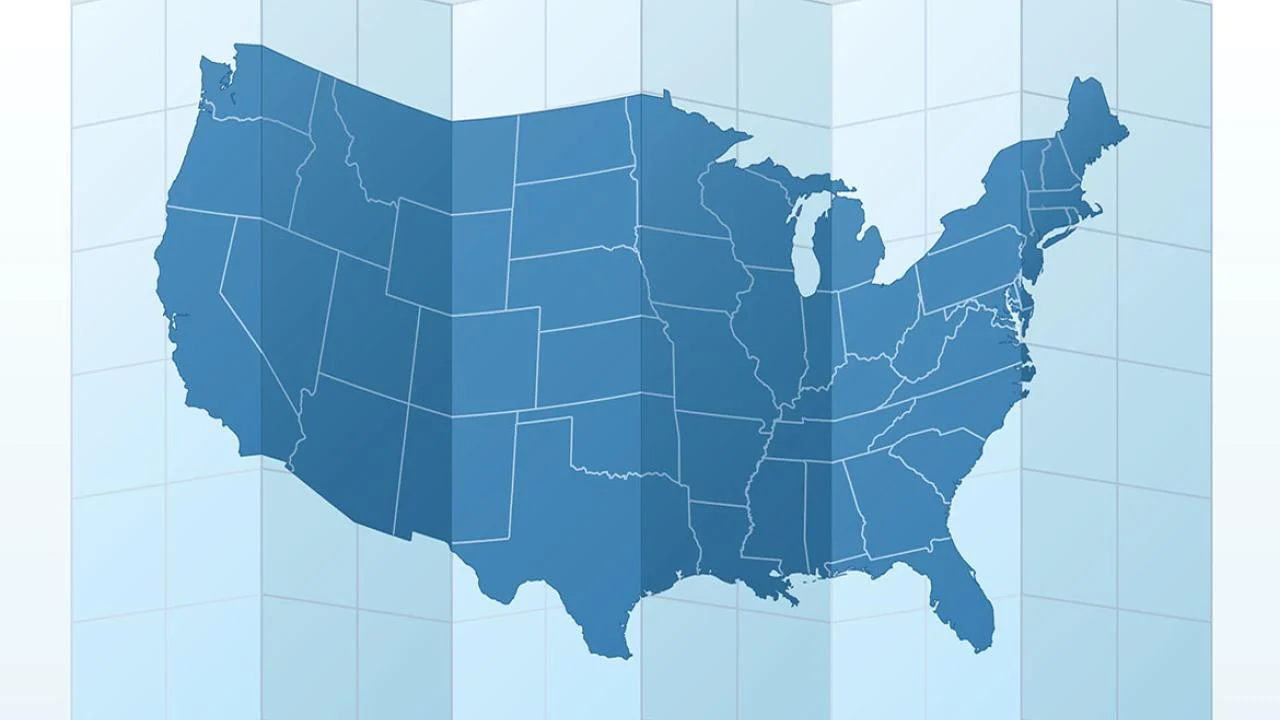
An MBBS graduate from India had cleared USMLE Steps 1 and 2, obtained ECFMG certification, and been matched to a medical residency program at a US hospital through the NRMP Match. Before she could begin her residency, the state medical board required a fingerprint-based background check as part of her medical license application.
Outcome
The submission was processed, the background check was cleared, and the medical license application moved forward without delay — allowing her to begin her residency on schedule.
How it Unfolded
Unlike most applicants who navigate the process on their own, her residency program's administrative team had handled the full application on her behalf. She already had everything she needed — the correct ORI number specific to her state medical board and clear fingerprint submission instructions. Her only task was to get her fingerprints captured correctly and courier the card to the US. She contacted Mothishree Forensic Solutions.
How It Was Handled by Mothishree Forensic Solutions
Reviewed the instructions and ORI number provided by her residency program's administrative team.
Scheduled an appointment. Client arrived with her government-issued ID and the fingerprint instructions from her program.
Captured fingerprints on the correct FD-258 card using professional ink rolling technique — ensuring full ridge clarity and compliance with state medical board standards.
Accurately completed all required fields, including the specific ORI number for the state medical board.
Couriered the completed card to the US address as per the client's instructions.
What This Case Highlights
For Indian doctors on the residency pathway, fingerprinting is often the only step standing between them and their program start date. A rejected or unclear print means delays, repeat submissions, and a potential impact on the residency start date. Mothishree has personally handled fingerprinting for medical graduates applying to residency programs across multiple US states.
View More Case Studies

UAE PCC Without Emirates ID — For an Elderly Couple's US Visitor Visa
Situation:
An elderly Indian couple had spent thirty years in the UAE as Indian citizen expatriate workers. Their son had moved to the United States for higher education. The couple applied for a US B-2 visitor visa to visit their son. The US consulate noted their thirty years of UAE residence and asked them to submit a UAE PCC as part of their documentation. As Indian citizens whose UAE residency had ended years ago, their Emirates IDs had long since lapsed — making the standard online UAE PCC route unavailable. Manual fingerprinting was mandatory. The couple were elderly and unable to travel.
Outcome:
The UAE PCCs were issued for both applicants within the standard processing window. Their US visa documentation was complete and the application moved forward. The couple were able to visit their son in the United States — without having to step out of their home for the fingerprinting process.
Read More

Australia AFP Fingerprint-Based Check — For a Work Permit Holder Applying for PR
Situation:
An Indian professional had been living and working in Australia on a work permit for several years and was now applying for Permanent Residency. The Department of Home Affairs required a fingerprint-based National Police Check from the AFP — a more thorough verification than the standard name-based check. He was visiting India during this phase of his application and needed the fingerprinting done before returning to Australia so his PR documentation could move forward without delay.
Outcome:
The fingerprint-based NPC was processed and issued by the AFP. His PR documentation was complete and his application moved forward without any delay. He returned to Australia with this requirement resolved.
Read More